Praha – Český statistický úřad (ČSÚ) dnes zveřejní zpřesněné údaje o vývoji tuzemské ekonomiky v prvním čtvrtletí letošního roku. Podle prvního odhadu z konce dubna vzrostl hrubý domácí produkt (HDP) meziročně o dvě procenta, ve srovnání s předchozím čtvrtletím byl o 0,5 procenta vyšší. Podle analytiků není vyloučeno, že ČSÚ údaje mírně reviduje směrem vzhůru.
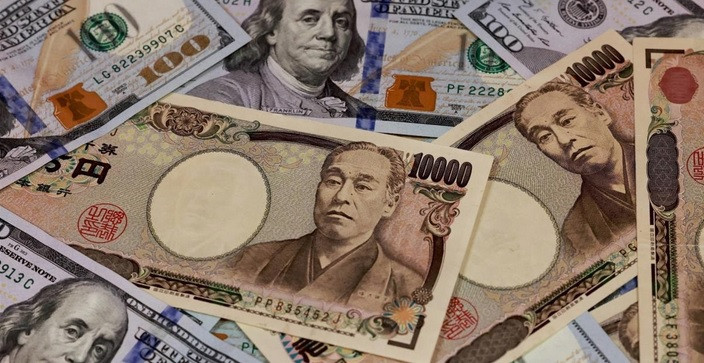
On Wednesday, the Japanese yen is losing ground against the US dollar.
The yen is under systematic selling pressure after Prime Minister Sanae Takaichi's announcement of the dissolution of the lower house of parliament on Friday and the calling of snap elections for February 8. Her initiative to suspend the 8% consumption tax on food for two years has renewed concerns about Japan's already swollen public debt, triggering a spike in Japanese government bond yields.
Usually, rising domestic bond yields support the yen, but at the moment, this reflects fiscal strain, causing investors to view Japanese assets with caution.
On Tuesday, Finance Minister Satsuki Katayama emphasized the resilience of Japan's fiscal position, urging calm after the sharp drop in government bonds and warning investors against overreacting.
Nevertheless, authorities remain on high alert for interventions in the event of excessive, one-sided yen weakness.
To find trading opportunities, attention should be paid to the Bank of Japan's interest-rate decision on Friday. It is assumed that after the December hike, the central bank will keep rates unchanged. Also closely watch the BOJ's statement and projections for any signals on the timing of the next rate increase, forecast for late this year, especially amid ongoing bond-market volatility and political uncertainty.
In the United States, President Donald Trump's disruptive trade policy and growing interference in the Federal Reserve's operations are increasing investor concern and keeping markets cautious. However, Trump softened his stance on Greenland: during his speech at the World Economic Forum in Davos, he said he would not use force to acquire the territory. This more or less stabilized the US dollar after renewed selling pressure earlier this week.
Going forward, attention should be paid to personal consumption expenditures (PCE) inflation data and Q3 annual GDP data, both due to be published on Thursday.
From a technical standpoint, as expected, the pair halted at the resistance of 158.60. Good support was found at 157.76. Breaking the resistance would send the pair toward the January high. Failing to hold support would accelerate the decline toward the round level of 157.00, with a pause at 157.40. For now, however, daily-chart oscillators are positive, and the path of least resistance is upward.

QUICK LINKS



















 Contact Us